14TH OCTOBER 2026.
A THREE-DAY MONITORING EXERCISE..
A THREE-DAY MONITORING EXERCISE..
VISIT TO DEVELOPMENT PROJECTS IN THE ASANTE AKIM NORTH MUNICIPALITY
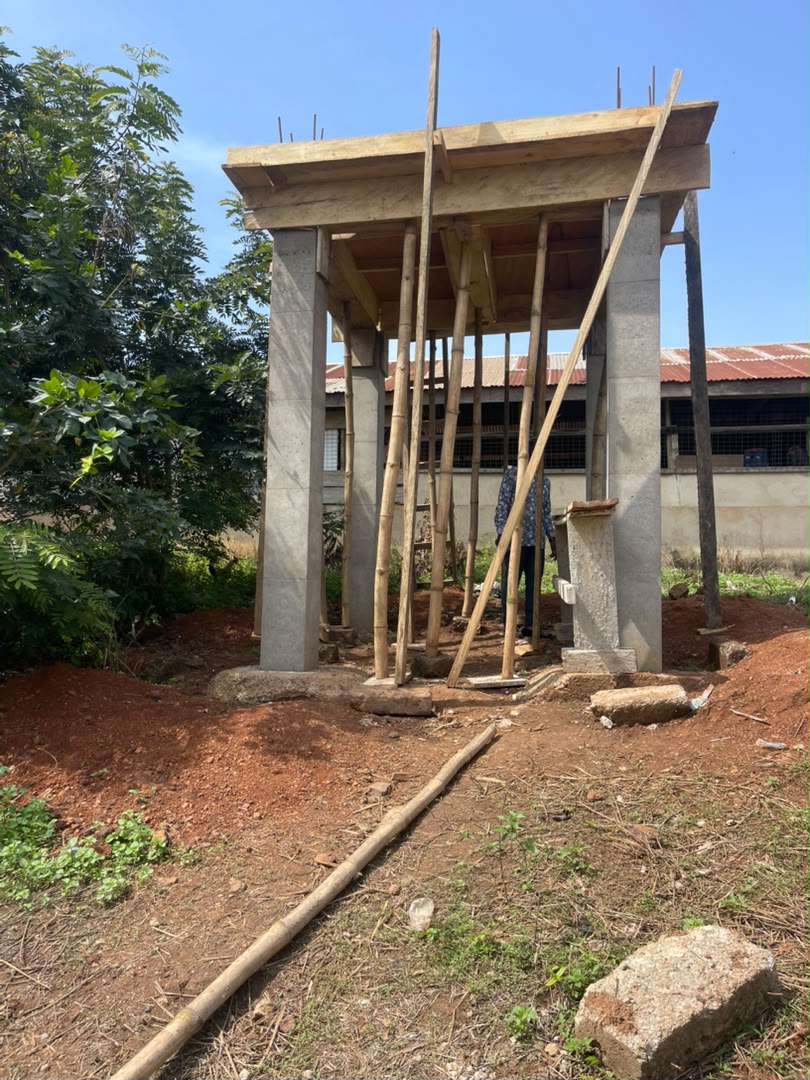
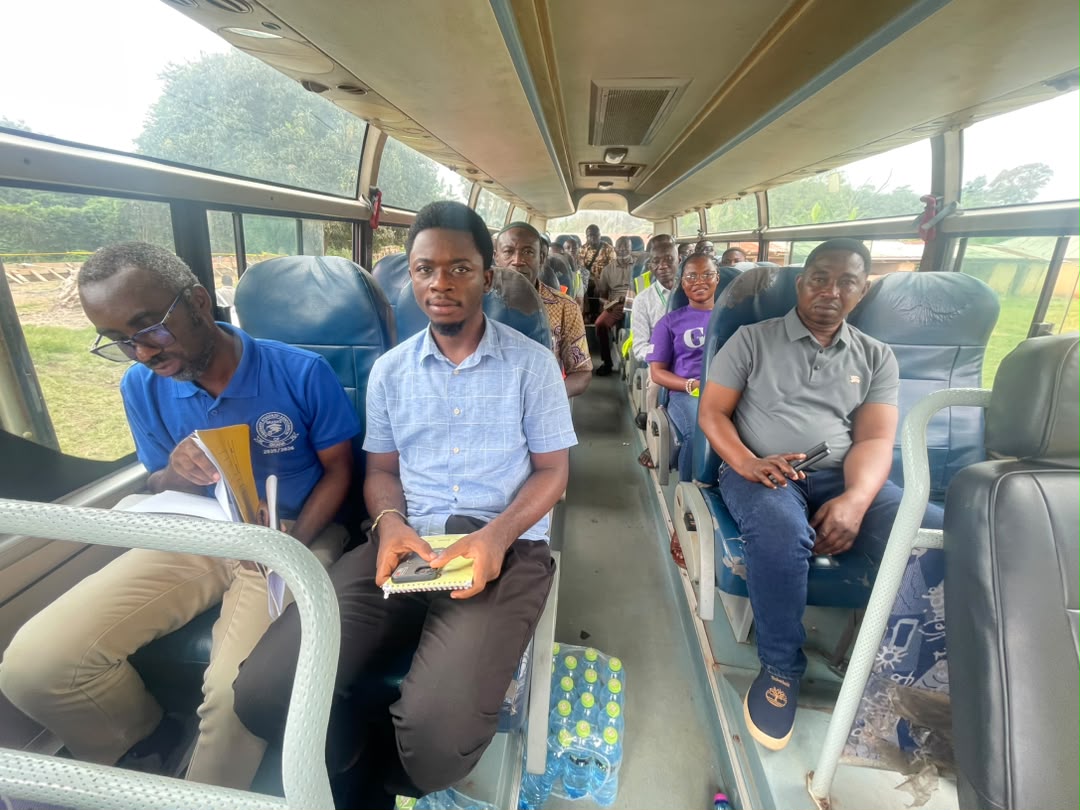
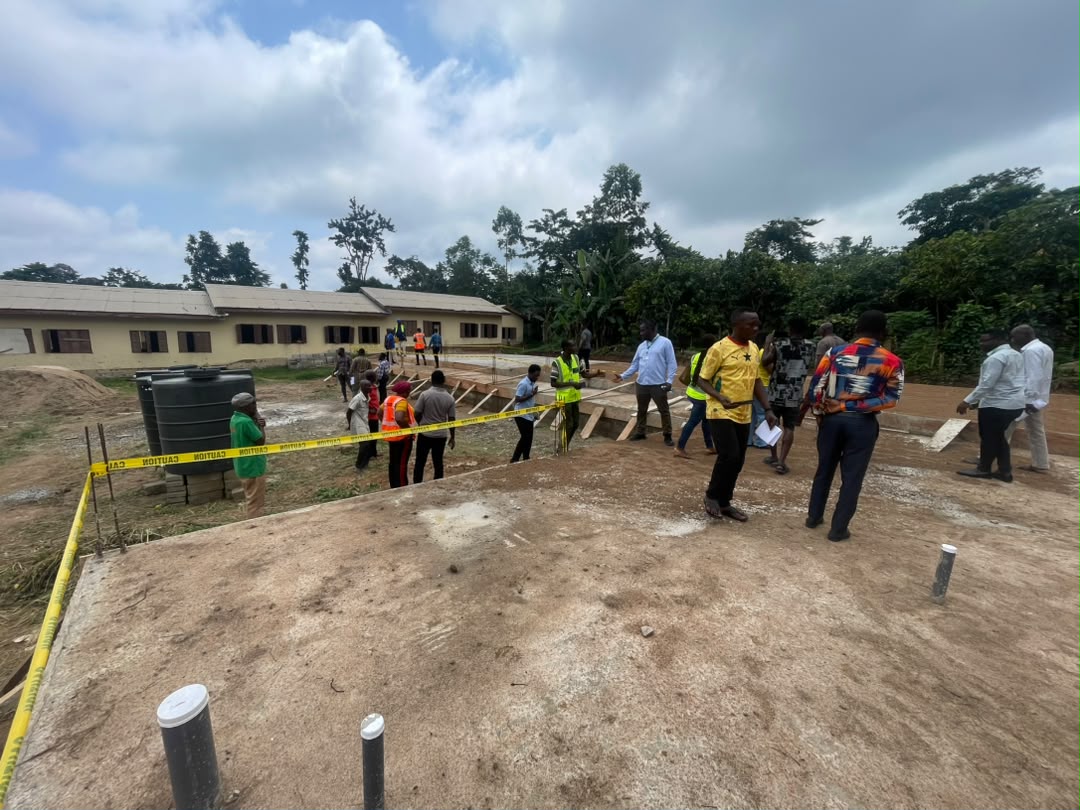
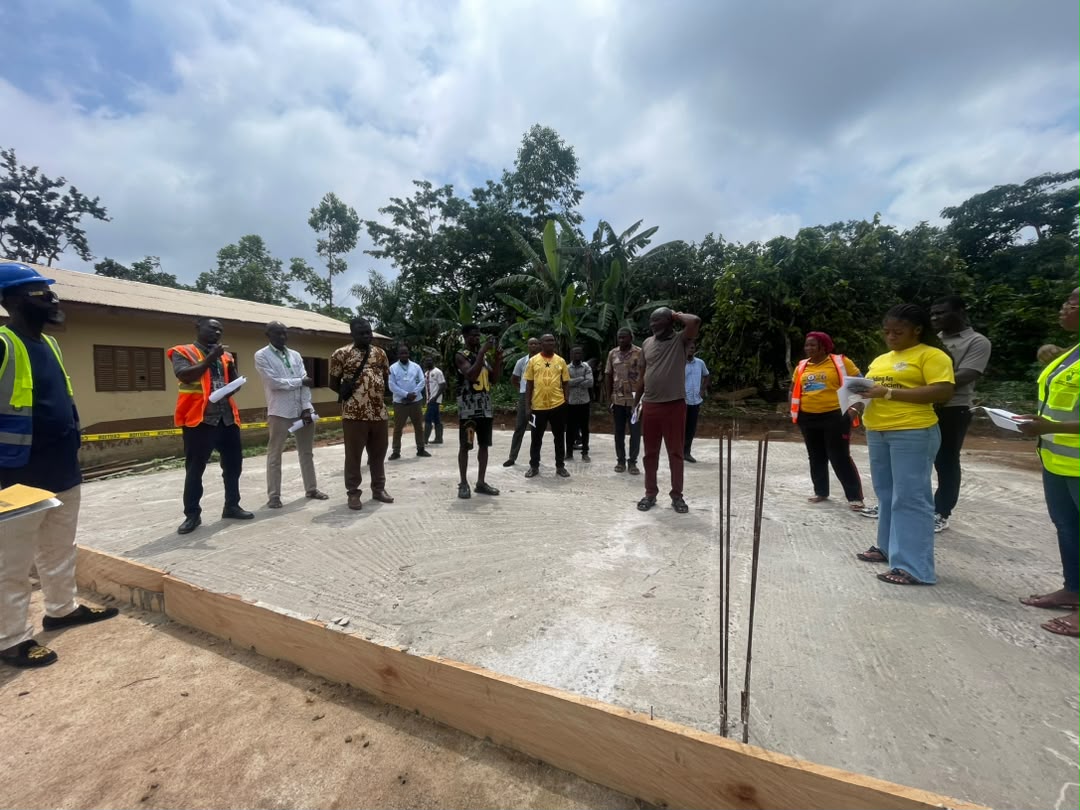
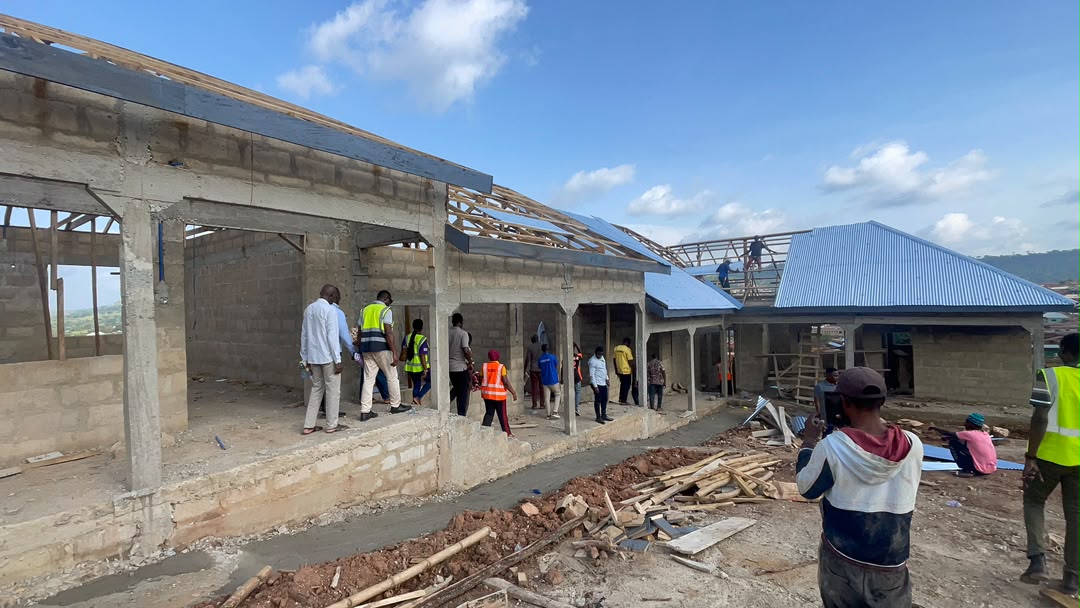
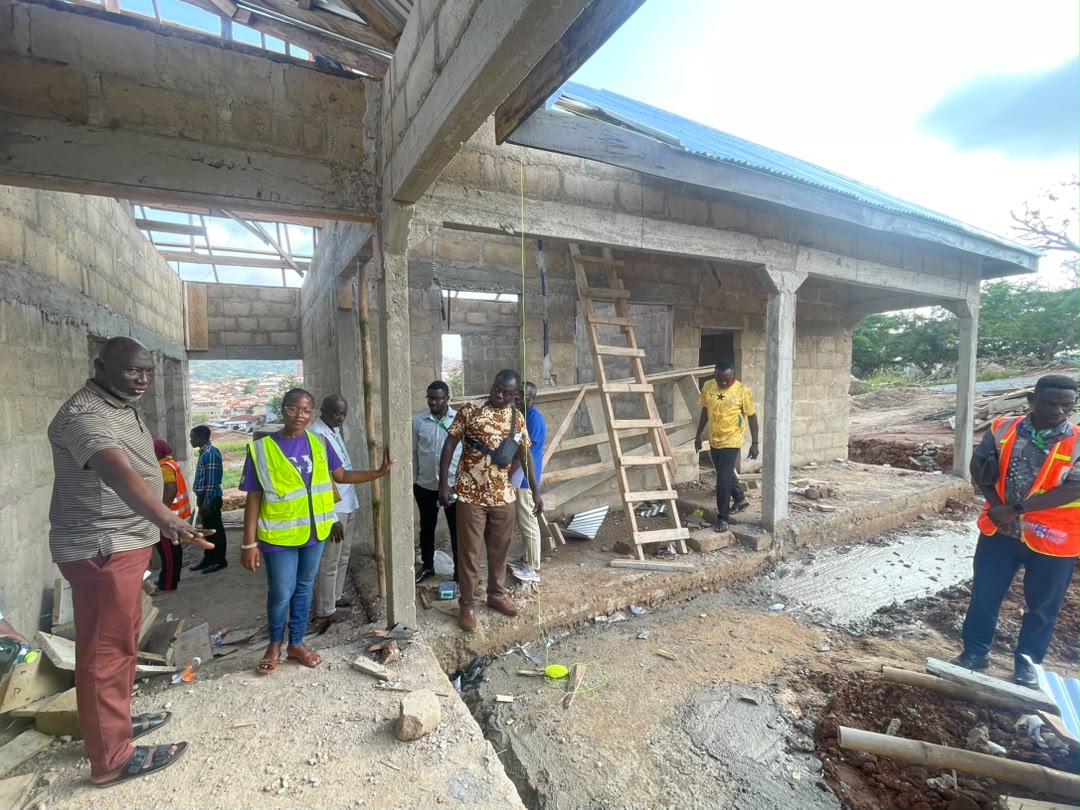
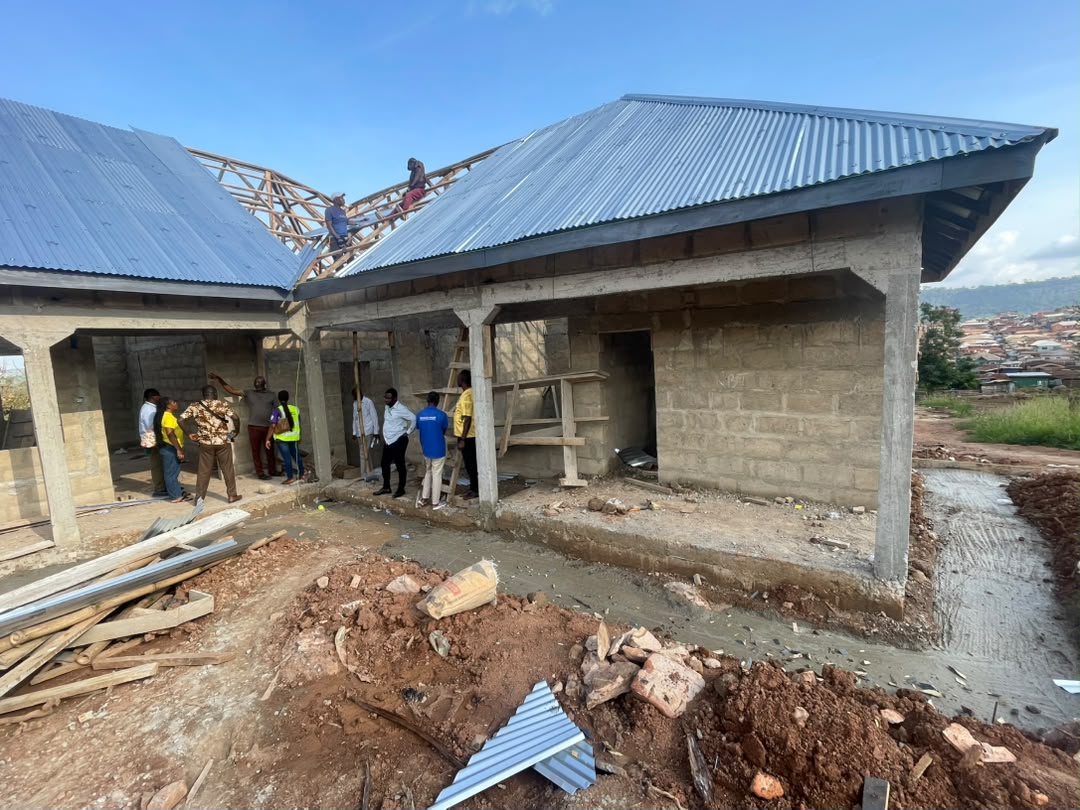
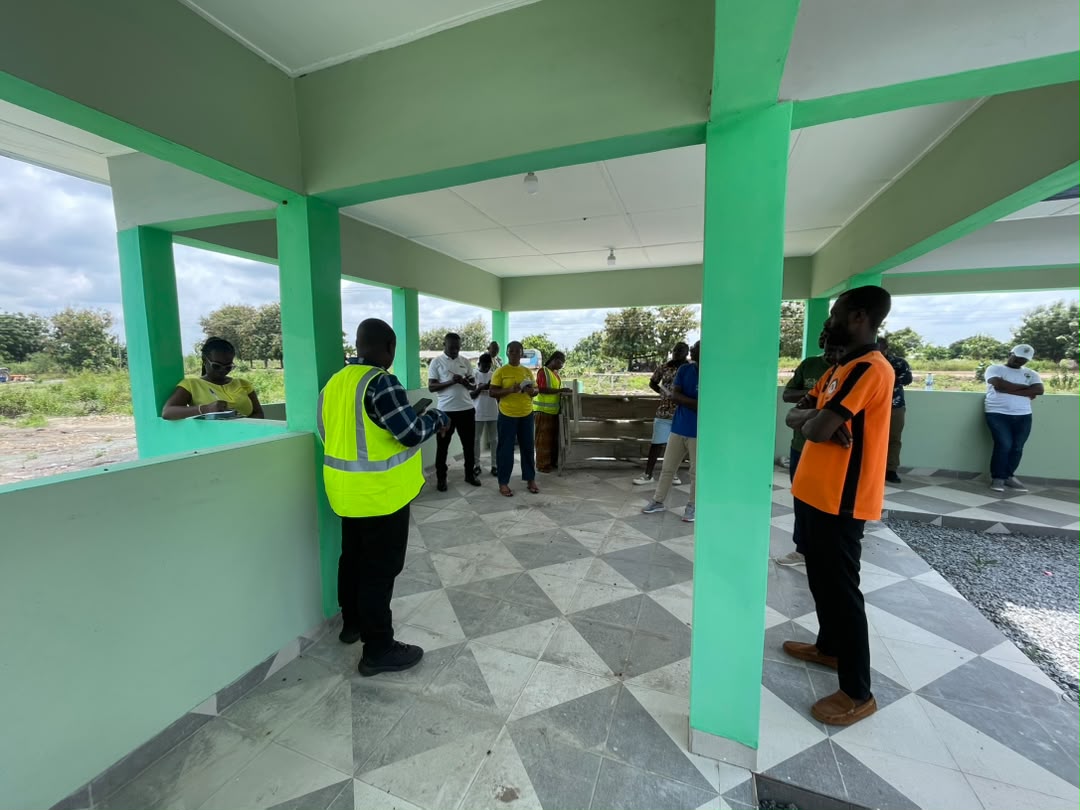
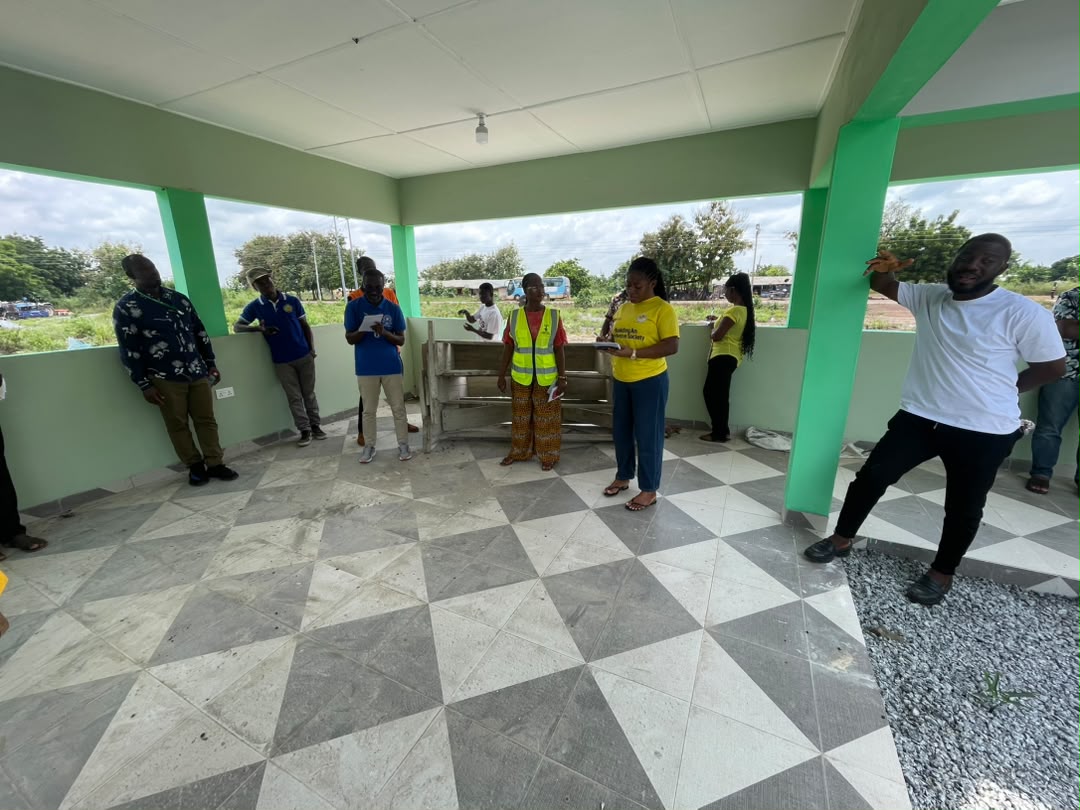
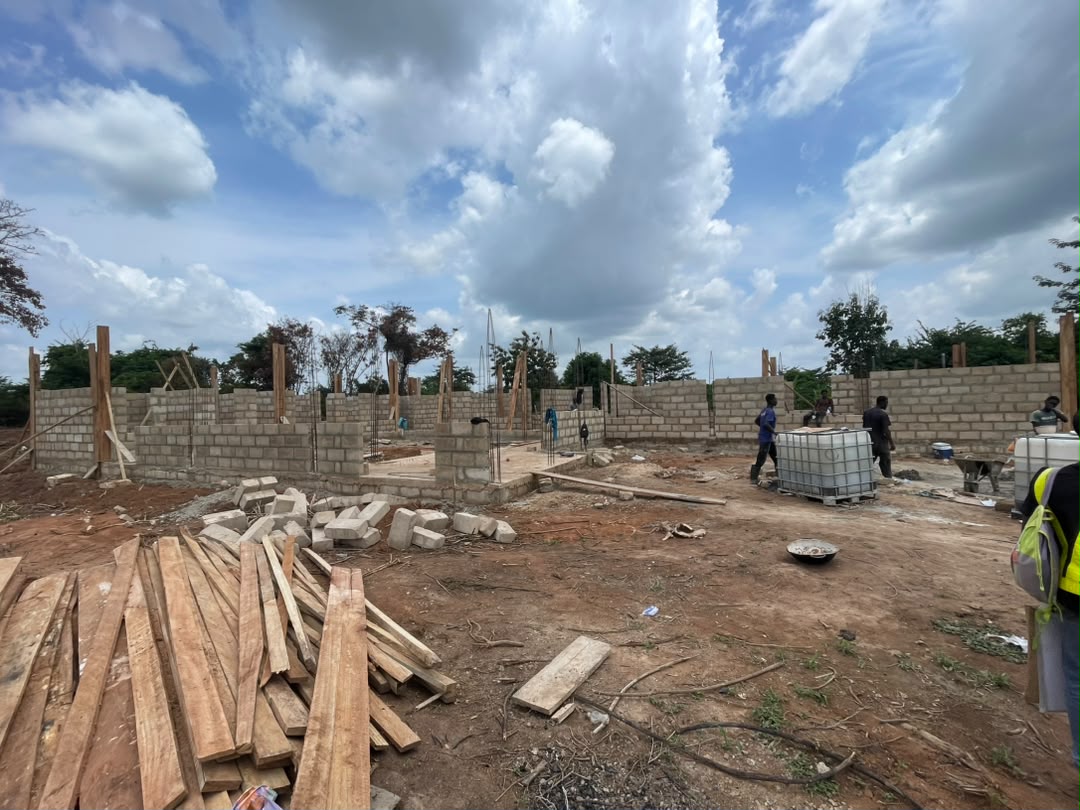
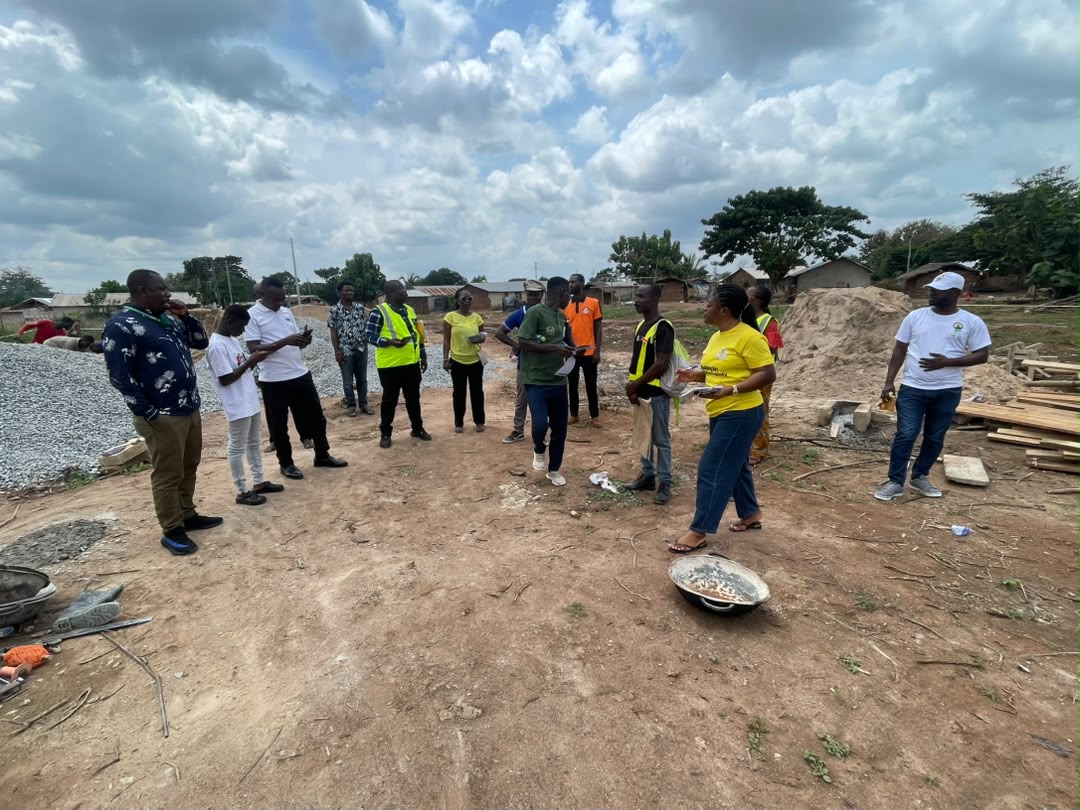
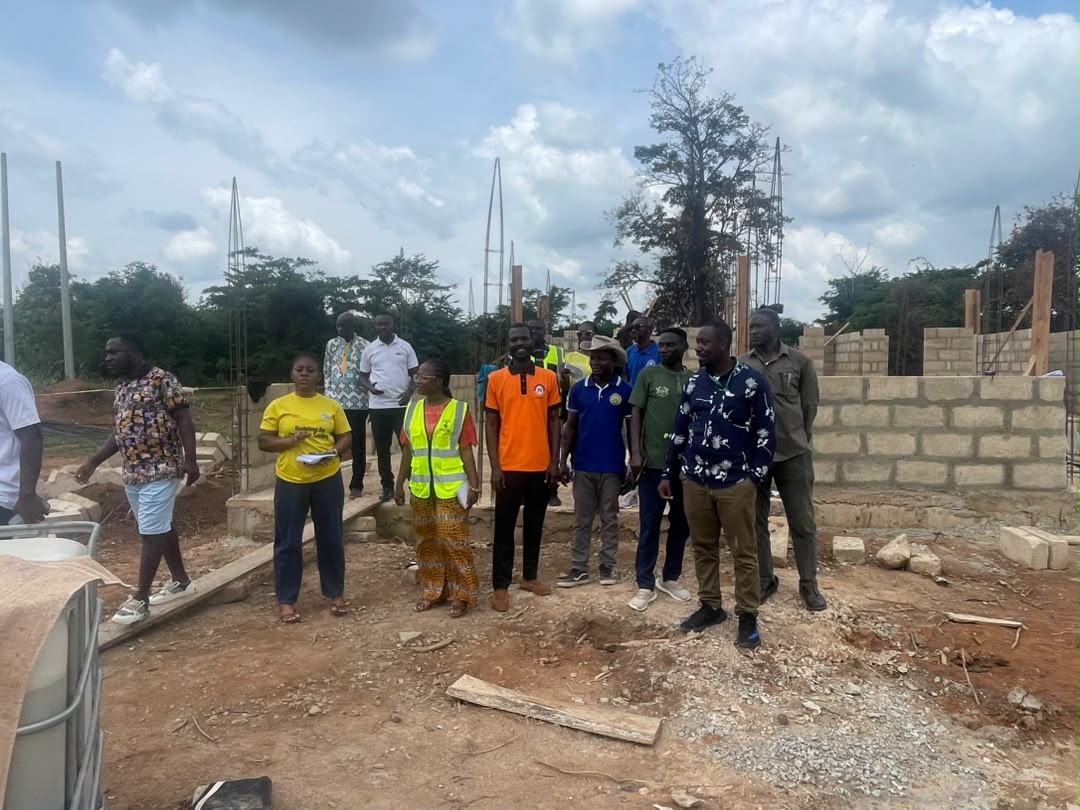
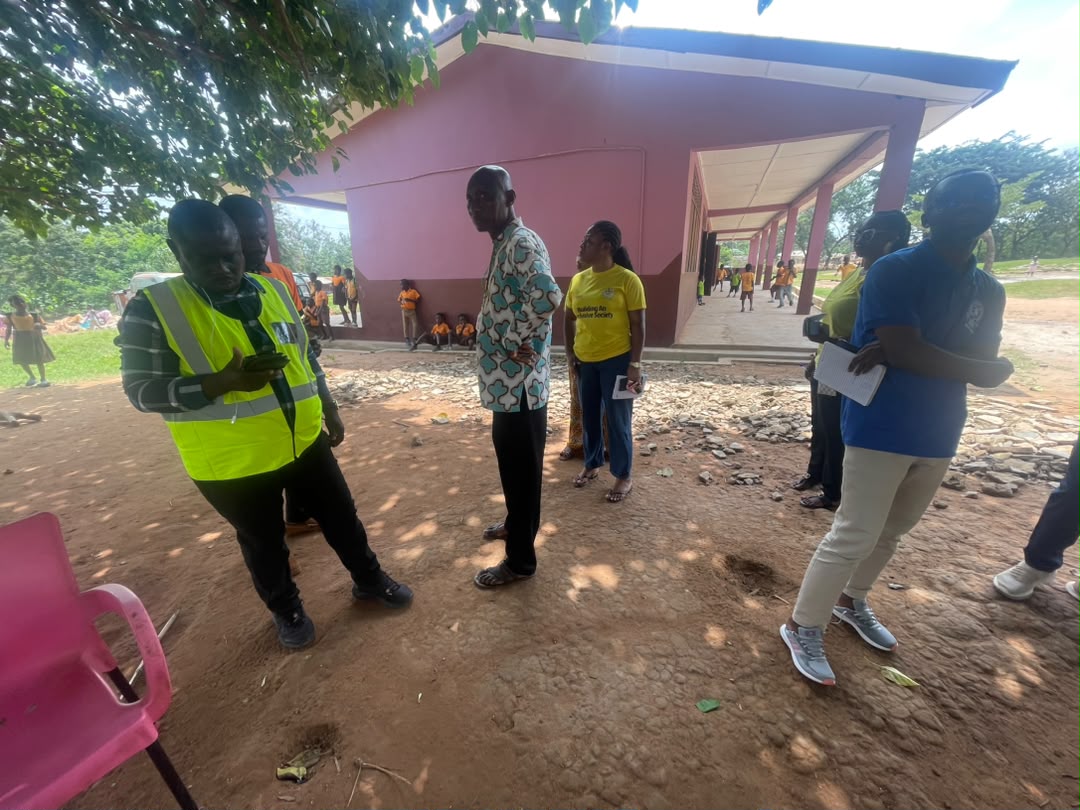
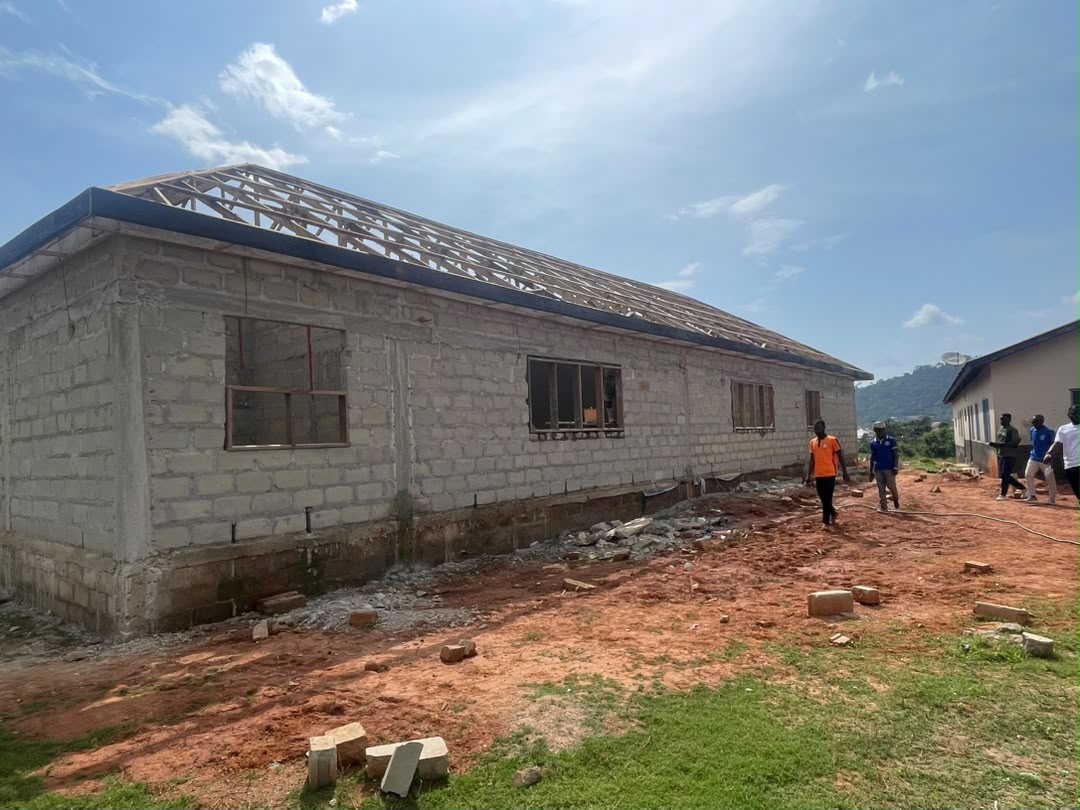
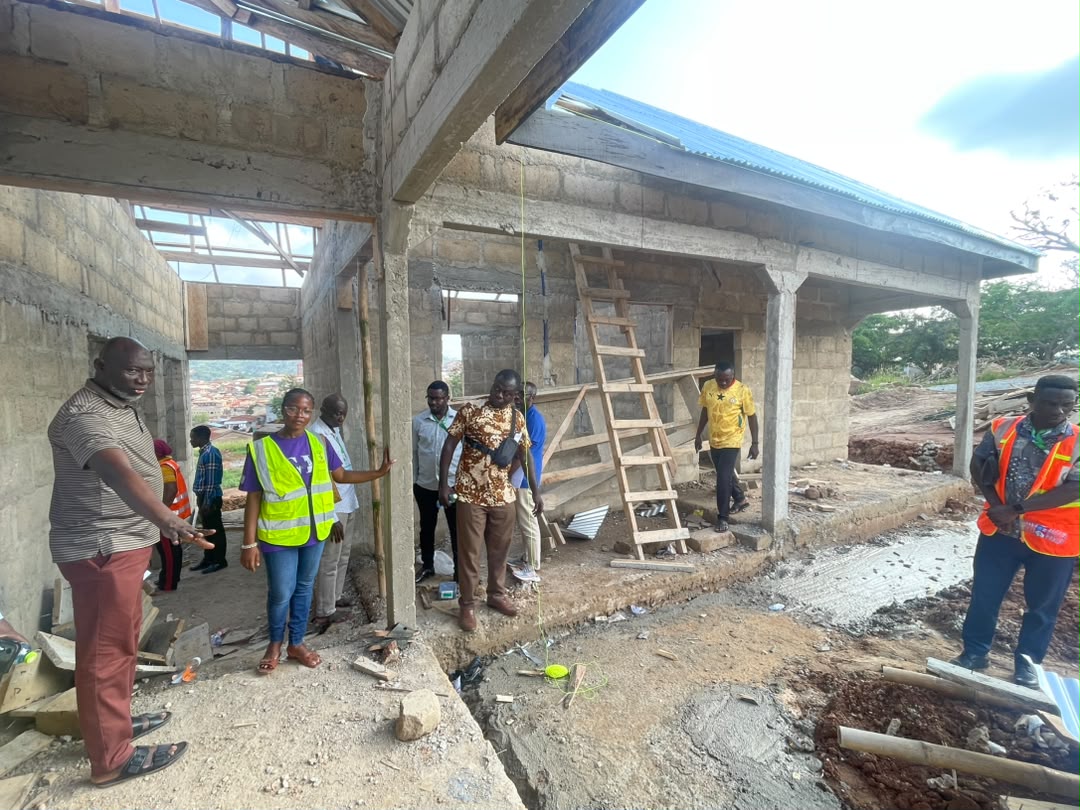
The Asante Akim North Municipal Assembly undertook a Third Quarter 2026 Monitoring Exercise from Monday, 12th October to Wednesday, 14th October 2026, to inspect and assess ongoing and completed development projects across the municipality.
The exercise was organised to enable the Assembly to monitor the progress of development projects, verify the work carried out by contractors, and ensure that projects were being implemented according to the required standards and specifications. It also provided an opportunity to assess the quality of work, identify challenges affecting project implementation, and determine whether the projects were meeting the needs of the beneficiary communities.
The monitoring exercise covered several projects, including the construction of classroom blocks, teachers’ accommodation, mechanised boreholes, a 24-hour market, CHPS compounds, and other essential community infrastructure. The projects were located in various communities, including Agogo, Wioso, Woraponso, Gyidim-Amantena, Behwe, Amantena, PKK, Domeabra, Juansa, Adinkrakrom, Bebome, Ananekrom, Afiriserе, Nsonyameye, Oforikrobon, and Nhyiaso, among others.
1. LIST OF PROJECTS VISITED
The following projects were included in the itinerary for the Third Quarter 2026 Monitoring Exercise.
A. DAY ONE: MONDAY, 12TH OCTOBER 2026
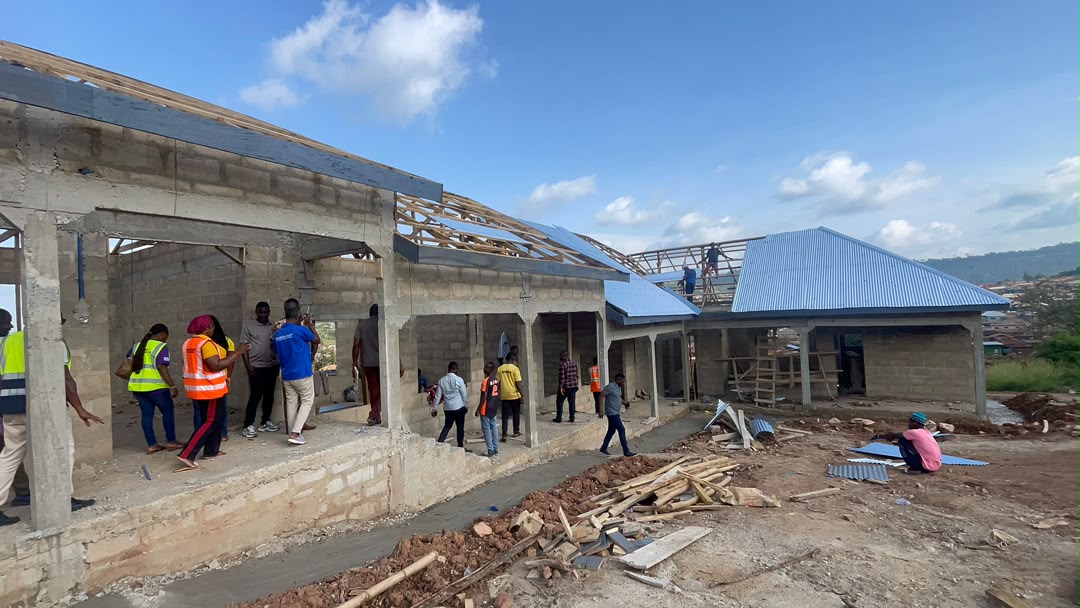
1. Construction of a Three-Unit Classroom Block with Office, Store, Staff Common Room and Four-Seater Water Closet Toilet for Adinkrakrom Basic School
- Location: Adinkrakrom
- Funding Source: DACF
2. Construction of a Mechanised Borehole
- Location: Bebome
- Funding Source: DACF
3. Renovation of Two Three-Unit Classroom Blocks at Ananekrom
- Location: Ananekrom
- Funding Source: DACF
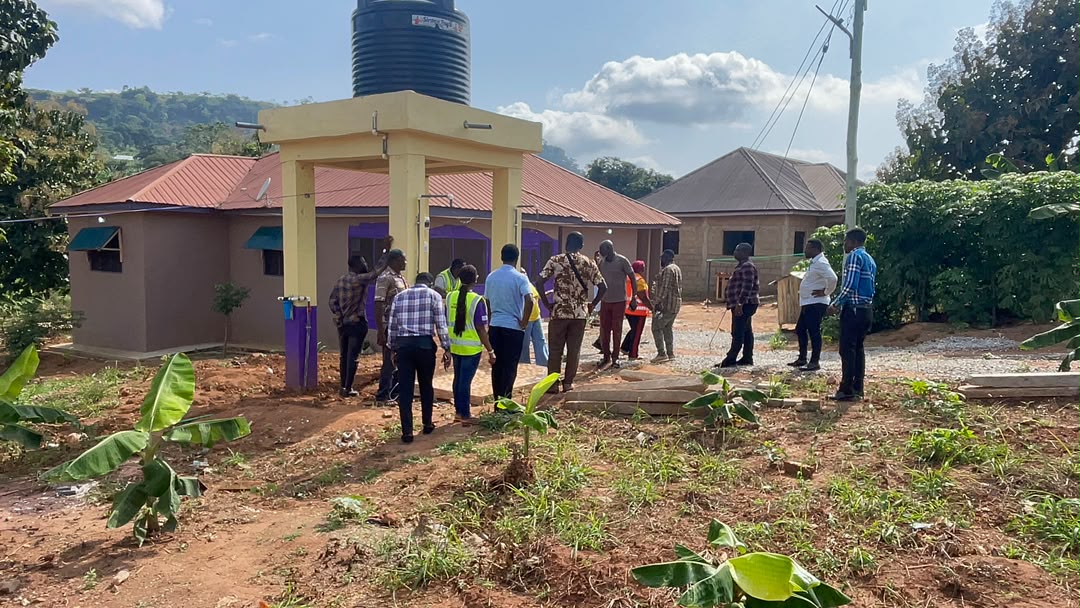
4. Construction of One CHPS Compound
- Location: Afiriserе
- Funding Source: DACF
5. Construction of a Three-Unit Classroom Block with Office, Store, Staff Common Room, Three-Seater KVIP Toilet and Urinal
- Location: Nsonyameye
- Funding Source: DACF
6. Construction of a Mechanised Borehole
- Location: Oforikrobon
- Funding Source: DACF
7. Construction of One CHPS Compound
- Location: Nhyiaso
- Funding Source: DACF
B. DAY TWO: TUESDAY, 13TH OCTOBER 2026
8. Construction of One Mechanised Borehole
- Location: Wioso
- Funding Source: DACF
9. Construction of One Mechanised Borehole
- Location: Woraponso
- Funding Source: DACF
10. Construction of One Mechanised Borehole
- Location: Gyidim-Amantena
- Funding Source: DACF
11. Construction of One Mechanised Borehole
- Location: Behwe
- Funding Source: DACF
12. Construction of One Mechanised Borehole
- Location: Amantena
- Funding Source: DACF
13. Construction of One Mechanised Borehole at PKK
- Location: PKK
- Funding Source: DACF
14. Construction of Two Mechanised Boreholes at the Police Station and Breadi
- Location: Domeabra
- Funding Source: DACF
15. Construction of One Mechanised Borehole at Juansa
- Location: Juansa
- Funding Source: DACF
16. Construction of a Two-Unit Kindergarten Block with Office, Store and Four-Seater Water Closet Toilet for Methodist Basic School
- Location: Juansa
- Funding Source: DACF
C. DAY THREE: WEDNESDAY, 14TH OCTOBER 2026
17. Construction of a Six-Unit Classroom Block with Office, Store, Staff Common Room, Six-Seater Water Closet Toilet and Urinal for Saviour Basic School
- Location: Agogo
- Funding Source: DACF
18. Construction of a Three-Unit Classroom Block with Office, Store and Staff Common Room for T.I. Ahmadiyya Basic School
- Location: Agogo
- Funding Source: DACF
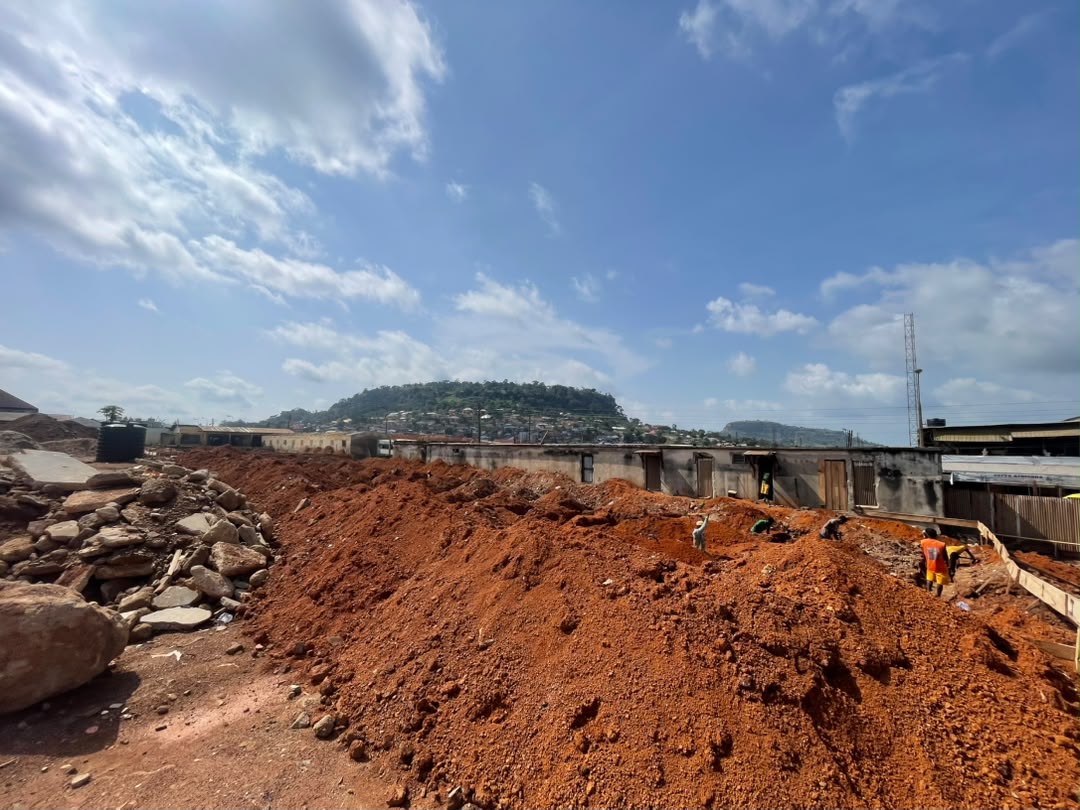
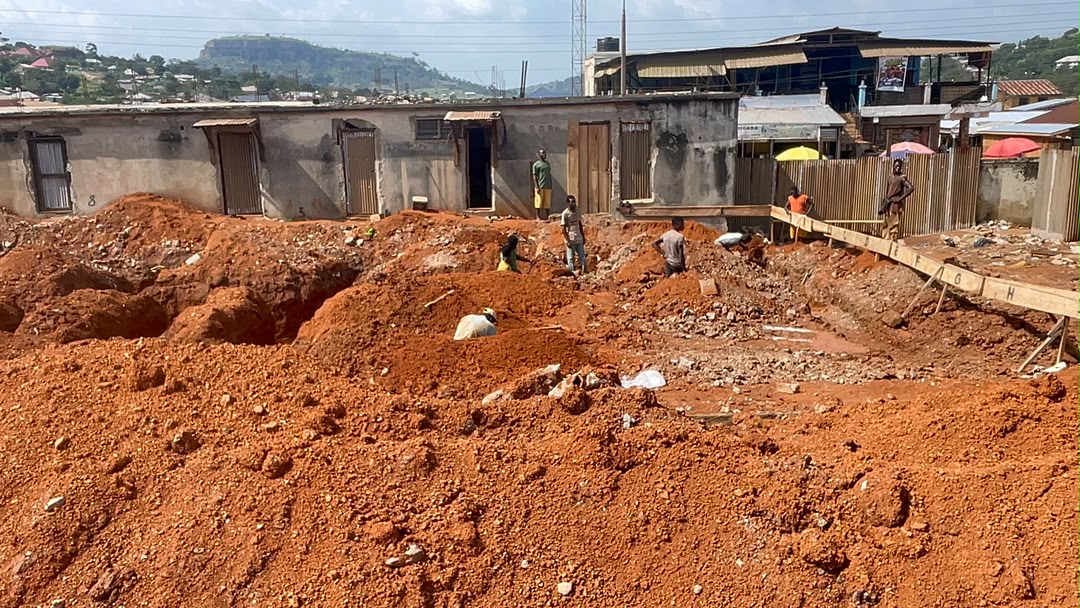
19. Construction of a 24-Hour Market
- Location: Agogo
- Funding Source: DACF
20. Completion of a Semi-Detached Bungalow
- Location: Agogo
- Funding Source: DACF
21. Construction of Six Mechanised Boreholes
- Locations: Teboh, Abrotia, New Town, China, Old Cemetery, Kusibo and Sukum
- Funding Source: DACF
Note: The itinerary lists six mechanised boreholes across the locations stated above. The exact allocation of the six boreholes to the individual communities should be confirmed with the Assembly’s project records.
2. PURPOSE OF THE MONITORING EXERCISE
The main purpose of the monitoring exercise was to assess and verify the outputs and outcomes of development projects and determine their impact on the beneficiary communities.
Specifically, the exercise aimed to achieve the following objectives:
2.1 Assess Project Progress
The exercise was intended to determine the extent to which ongoing projects had progressed and whether contractors were working according to the agreed schedules. This would help the Assembly identify projects that were progressing satisfactorily and those requiring additional attention.
2.2 Ensure Quality and Value for Money
The monitoring team was expected to inspect the quality of materials and workmanship to ensure that projects met the required standards and specifications. This was also to ensure that public funds were used responsibly and that the Assembly obtained value for money.
2.3 Identify Challenges Affecting Project Implementation
The exercise provided an opportunity to identify challenges faced by contractors and other stakeholders during project implementation. These could include delays in construction, inadequate resources, technical difficulties or other factors affecting the timely completion of projects.
2.4 Verify Project Outputs
The monitoring team was expected to confirm that the work reported by contractors corresponded with the actual work undertaken at the various project sites. This would help establish the true status of each project and support accurate reporting.
2.5 Promote Accountability and Transparency
The exercise was intended to ensure that contractors and relevant stakeholders remained accountable for the resources allocated to development projects. It also supported transparency in the implementation of projects financed through the District Assemblies Common Fund (DACF).
2.6 Assess the Impact on Beneficiary Communities
Another important objective was to determine how the projects would improve the living conditions of residents. The classroom blocks and kindergarten facilities were intended to improve the educational environment, while the mechanised boreholes would improve access to potable water. The CHPS compounds were expected to strengthen access to basic healthcare, and the 24-hour market would provide improved opportunities for trading and economic activities.
2.7 Support Effective Planning and Decision-Making
The information gathered during the exercise would help the Assembly make informed decisions regarding project supervision, budgeting, resource allocation and future development planning.
3. INVITEES AND PARTICIPANTS
The exercise brought together key officials and stakeholders whose responsibilities were important to the effective monitoring of development projects within the municipality.
The invitees included:
- Municipal Chief Executive.
- Municipal Coordinating Director.
- Municipal Planning Officer.
- Municipal Finance Officer.
- Municipal Budget Analyst.
- Municipal Works Engineer.
- Municipal Health Directorate.
- Municipal Education Directorate.
- Municipal Procurement Officer.
- Municipal Internal Audit.
- Municipal Coordinator, NADMO.
- Municipal Agric. Director.
- Head of Physical Planning Department.
- Chairman, Development Planning Sub-Committee.
- Chairman, Works Sub-Committee.
- Assembly Members representing the affected electoral areas and communities.
- Traditional representatives and authorities of the affected communities.
- 3T Ghana.
- ABAK Foundation.
- Erodite International.
- Media representatives, including Salt FM, Asempa FM and Mabech FM.
- All contractors responsible for the projects.
4. IMPORTANCE OF THE PARTICIPANTS
The involvement of these stakeholders was important because each had a specific role to play in ensuring the success of the monitoring exercise.
The Municipal Works Engineer and other relevant technical officers were expected to assess the quality of construction, verify the progress of work and determine whether projects complied with the required technical specifications.
The Municipal Planning Officer, Budget Analyst and Finance Officer were important in ensuring that project implementation remained consistent with the Assembly’s development plans, budgetary provisions and financial arrangements.
The Municipal Internal Audit and Procurement Officer contributed to accountability and compliance with the relevant procedures governing the use of public resources and the execution of development projects.
The Municipal Education Directorate provided technical perspectives on the classroom blocks and kindergarten facilities, while the Municipal Health Directorate contributed to the assessment of projects related to healthcare delivery, particularly the CHPS compounds.
The Assembly Members, traditional authorities and community representatives helped communicate the needs and concerns of beneficiary communities. Their participation was essential because they represented the people who would ultimately benefit from the projects.
The contractors were expected to provide information on the progress of their respective projects, explain any challenges encountered and respond to concerns raised by the monitoring team.
The media and invited organisations, including 3T Ghana, ABAK Foundation and Erodite International, were included to support stakeholder engagement, public awareness and transparency in local development.
The participation of these stakeholders helped ensure that project monitoring was not limited to physical inspections alone but also considered technical quality, financial accountability, community needs and the expected outcomes of the projects.
5. EXPECTED OUTCOMES OF THE EXERCISE
At the end of the monitoring exercise, the Assembly was expected to obtain a clearer understanding of the status of the various development projects across the municipality.
The exercise was expected to produce the following outcomes:
- Accurate information on the progress of ongoing and completed projects.
- Identification of projects experiencing delays or implementation challenges.
- Verification of the quality of work undertaken by contractors.
- Recommendations for addressing challenges identified at project sites.
- Improved accountability among contractors and other stakeholders.
- Better coordination between the Assembly, contractors and beneficiary communities.
- Information to guide future project planning, supervision and resource allocation.
- Improved prospects for timely completion and effective use of development infrastructure.
These outcomes would help the Assembly strengthen its monitoring and evaluation processes and ensure that development projects achieved their intended objectives.
6. CONCLUSION
The Third Quarter 2026 Monitoring Exercise was an important initiative by the Asante Akim North Municipal Assembly to promote effective project implementation, accountability, transparency and quality service delivery.
Through visits to the various project sites, the Assembly and its stakeholders had the opportunity to assess project progress, verify the quality of work, identify implementation challenges and determine whether the projects were delivering the intended benefits to the people.
The projects covered under the exercise were particularly important to the municipality’s development because they addressed essential needs in education, healthcare, water supply, sanitation, commerce and public administration.
The construction and renovation of classroom blocks were intended to improve teaching and learning conditions, while the mechanised boreholes were expected to increase access to potable water. The CHPS compounds were intended to strengthen primary healthcare delivery, and the 24-hour market was expected to support commercial activities and local economic development.
The involvement of the various departments, Assembly Members, traditional authorities, contractors, civil society organisations and the media was also important in promoting collective responsibility for development within the municipality.
Ultimately, the exercise was intended to ensure that development projects undertaken within the Asante Akim North Municipality were implemented to the required standards, public resources were used responsibly, and the completed facilities contributed meaningfully to improving the living conditions of residents.
Editorial note: The project list above is based on the supplied itinerary. Before the report is submitted officially, the Assembly should confirm the exact allocation of the six mechanised boreholes listed under the first day and check whether the itinerary’s numbering and dates correspond to the final monitoring schedule.